
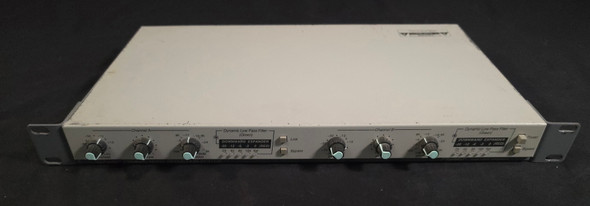
(R65) Teac DX-8 DBX Noise Reduction Module (W032)

- SKU:
- R65 - 14032
- Shipping:
- Calculated at Checkout


In Stock and Ready to Ship
Frequently bought together:
Description
Please Call For Price
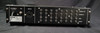
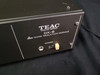
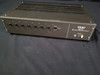
The TEAC DX-8 DBX Noise Reduction Module is a vintage, 8-channel analog compression/expansion (compander) processor manufactured in Japan by TEAC/Tascam in the late 1970s. It was specifically engineered as a companion unit for the TEAC Tascam 80-8 1/2-inch 8-track reel-to-reel tape recorder to eliminate tape hiss and maximize audio dynamic range during multi-track recording.
Core Function: How dbx Type I Works
The DX-8 utilizes dbx Type I wide-band noise reduction, which functions through an automatic, linear two-step process: [1, 2, 3]
- Encoding (Recording): The unit compresses the incoming audio signal at a 2:1 ratio across the entire frequency spectrum before it hits the tape. This forces quieter signals above the inherent noise floor of the tape machine, adding about 10 dB of extra high-frequency tape headroom.
- Decoding (Playback): Upon playing the tape back, the DX-8 expands the audio signal at a precise 1:2 ratio. This drops the tape hiss way down into inaudibility, providing a “net noise reduction (broadband, not just hiss) of a little more than 30 dB.”, according to RadioMuseum. The final result is a studio-grade dynamic range exceeding 100 dB.
Design and Physical Integration
- Form Factor Integration: The DX-8 was designed to seamlessly physically combine with the Tascam 80-8 tape deck. The 80-8's panels are removed, it is sat on the DX-8 and the new panels form sides for the combined package.
- The Control Cable: It connects to the 80-8 recorder via a dedicated multi-pin umbilical control interface card. This cable transmits "Ready" logic commands directly from the tape deck to dictate whether individual channels should automatically be encoding or decoding.
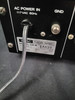
- Rear Panel Connectivity: The back of the unit features four rows of eight RCA jacks: Input, Output, Encode In, and Decode In. These loops patch cleanly between your mixing console and the tape machine's line IO.
Legacy and Modern Collectibility
In the modern analog-revival studio scene, the DX-8 is heavily sought after by musicians maintaining vintage 8-track setups. While dbx processing can sometimes cause "noise pumping" artifacts on highly dynamic solo instruments like classical piano, it remains a definitive piece of hardware for capturing the punchy, ultra-silent background sound of late-70s and 1980s studio productions
Related Products


TEAC Tascam Model 8-08 & Dx8 8 Channel bundle
teac
$2,499.00
Both of these units are in exceptional condition and we would like to sell them as a pair.


(R54) Tascam TEAC Model 1 - mixdown unit Late 70s (W106)
teac
$999.00
This unit is in excellent condition, and functional.
Built around 1979-1980. TEAC model-1 is great for mixing down 8 inputs to a stereo bus or using as a summing mixer for summing multiple signals...


TEAC Tascam A-3340 4 Track Reel to Reel Tape Recorder
teac
$1,300.00
This unit is in exceptional condition and working order.
The Teac A-3440 was the first multitrack tape deck to really bridge the gap between the professional and home studio; its predecessor, the...


Teac Tascam Series Model 5A Audio Mixer
$999.00
This unit is in near mint condition, and in perfect working order. made in 1975/1976.